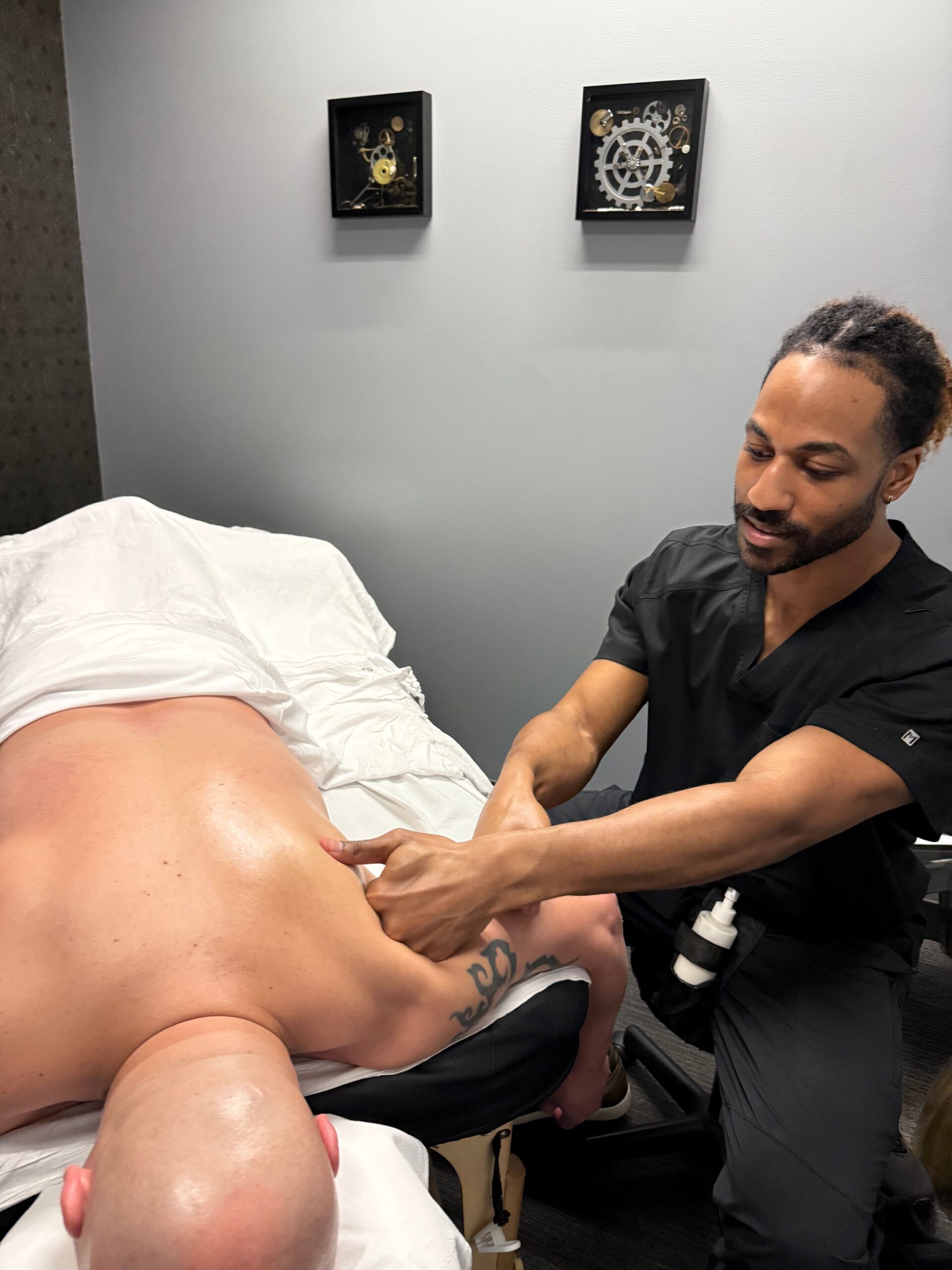
Pain, tightness, or stiffness can really be confusing, especially if you are in training. Sports massage and physical therapy offer different approaches, each with unique benefits for injury recovery and pain management techniques. Understanding the difference between sports massage and physical therapy helps you choose the treatment that fits your needs right now. And as we know, New York is SPECIAL. The laws in NY regarding both are a little different from those in other parts of the country.
Understanding Sports Massage in NY
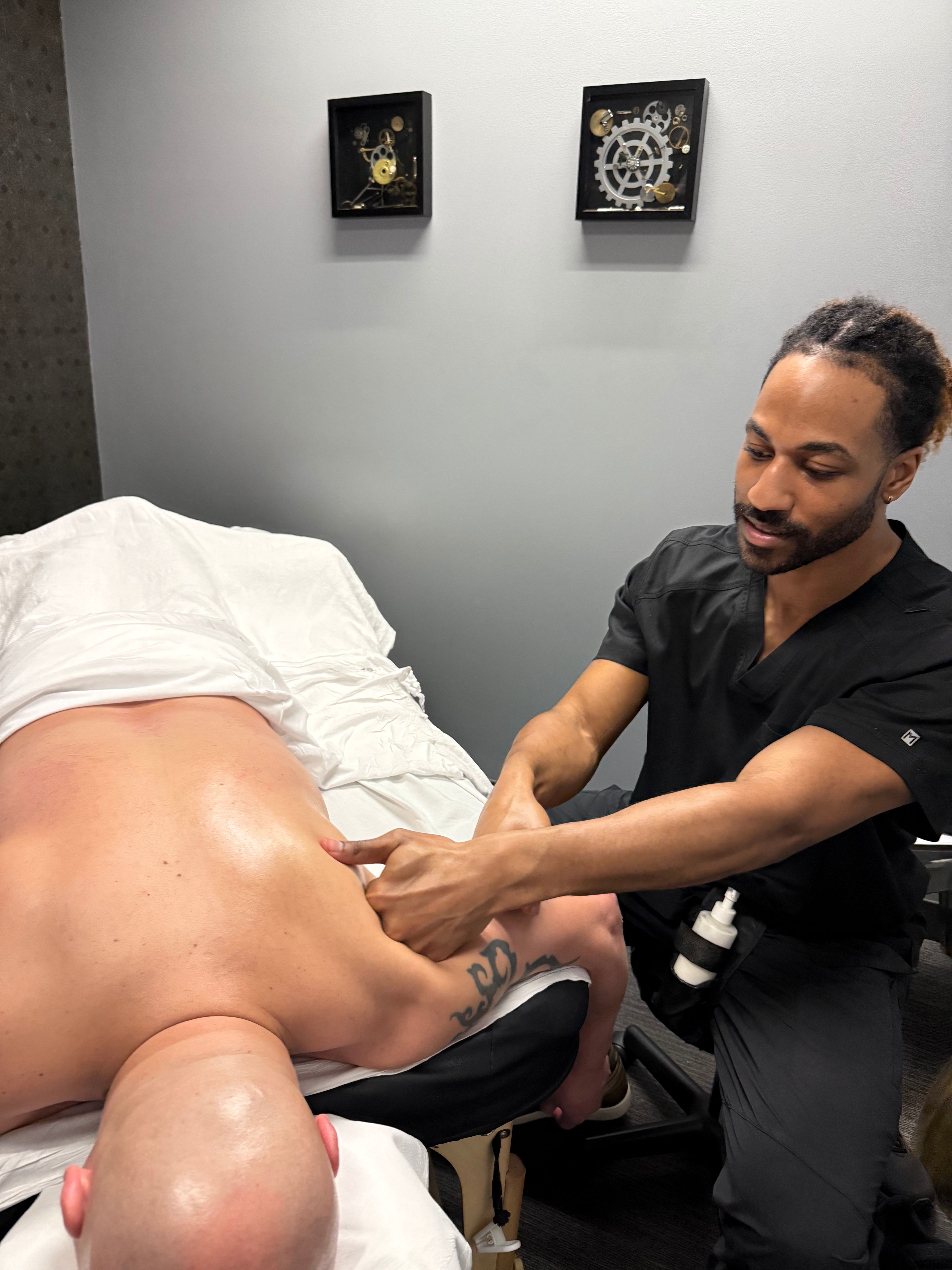
Sports massage can be your go-to for easing muscle tension and improving flexibility. It’s not only for athletes but for anyone dealing with muscle soreness. It is also important to know that in NY, as long as you’re choosing a licensed massage therapist, in New York, they are licensed health care professionals.
Key Sports Massage Benefits
Sports massage offers a range of benefits that can be tailored to your sport and needs. As a rule, massage shows research-backed potential to help you relax and manage stress. As so can be used as a part of training to help with sports focus. When you add extra things like stretching, range of motion, and on-table movement, it can be even more powerful. It primarily helps in reducing muscle stiffness, which can enhance your movement. Moreover, 50% of people report feeling less pain after just one session.
Another advantage is its role in preventing injuries. Regular sessions can identify tight spots before they become problematic by connecting you more closely with your body, helping you have better interoception and proprioception. And while not a direct effect, if you’re moving better because you feel better, you deliver better circulation and nutrients to the areas of your body in need. For non-athletes, the relief from daily stress is a major perk.
Techniques for Pain Management
Sports massage involves a variety of techniques to manage pain effectively, from passive, down-regulating techniques to more active techniques like range-of-motion work to resisted-on-table techniques like PNF stretching. Most research around ‘massage’ is on its passive techniques- things like trigger point, fascia work, rubbing, and Swedish massage, but a LOT more can be included in sessions that are not passive and pack a much higher punch.
Our office specifically trains our therapists to incorporate more impactful modalities based on your needs, so you can enjoy a wide range of benefits beyond relaxation. Once we get into the territory of movement, we have proprioception, synovial fluid movement, and local circulation as benefits. Add in resistance, and it is even more dynamic.
Suitable Conditions for Massage
This type of massage is ideal for various conditions. If you suffer from muscle strains, overuse injuries, or postural issues, sports massage can provide relief. It’s also beneficial for conditions like IT band syndrome and runner’s knee. People with neck and back pain also find it helpful.
If you’re unsure whether sports massage is right for you, call or email us:) We are happy to get you to the service that is right for you.
Exploring Physical Therapy in New York
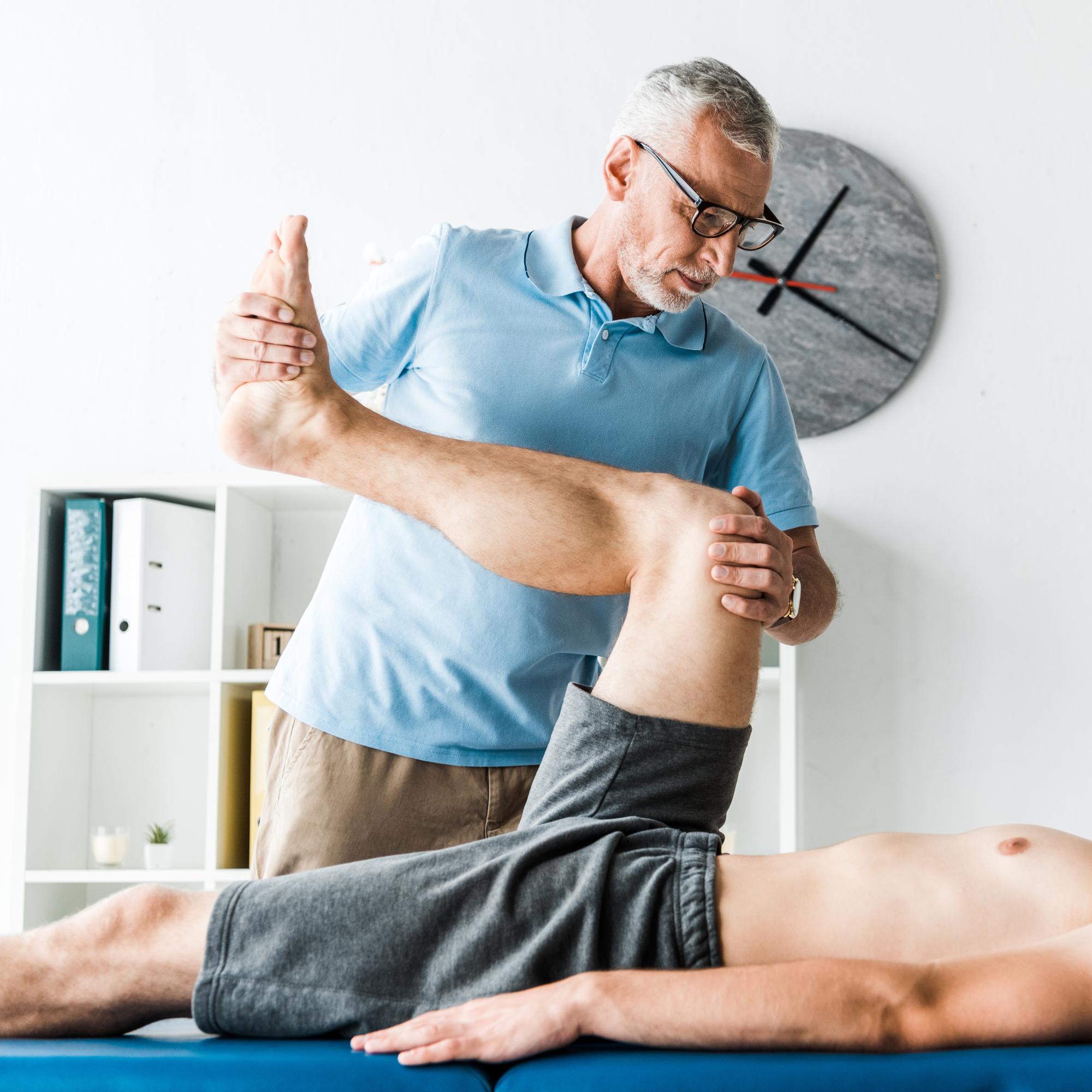
Physical therapy offers structured rehabilitation and recovery solutions. It’s often recommended after surgeries or for chronic conditions; it is not a competitor for massage, as they serve different purposes. In New York, we have direct access laws, meaning you can see a physical therapist without a referral or a prescription, making physical therapy a direct line of access for maintaining your health.
Physical Therapy Effectiveness
Physical therapy is highly effective for targeted recovery. It focuses on restoring function through personalized exercises. Research shows that it improves mobility in 70% of patients recovering from surgeries.
If you’ve experienced a sports injury, physical therapy helps strengthen weakened muscles. It’s particularly beneficial for long-term injuries, ensuring that they don’t impede future activity, and is often utilized as part of recovery. Additionally, it provides strategies for managing chronic pain, making daily tasks easier. Physical therapy helps your body adapt and avoid maladaptation.
Common Techniques Used
Physical therapy employs a range of techniques. Stretching and strengthening exercises are common, targeting specific muscle groups. Manual therapy is another aspect, involving hands-on techniques to improve motion and reduce pain. Manual therapy is typically the term for massage therapy performed by a non-massage therapist. Because physical therapists work with movement, they are given much less ‘hands-on massage’ training. Typically, the hands-on portion would be limited to 10-15 minutes based on the way insurance billing works. There is not enough time to systemically relax the body…which is one of the main benefits of massage.
Physical Therapists also use modalities like ultrasound therapy and electrical stimulation to aid in recovery. These techniques are tailored to your condition, ensuring precise treatment. Discover more about physical therapy techniques here.
Ideal Scenarios for Therapy
Physical therapy is ideal for post-surgical recovery, injury, and chronic conditions like arthritis or fibromyalgia. It’s also recommended for people with mobility issues. If you experience persistent joint pain, physical therapy can provide long-term solutions.
It’s often a crucial part of recovery plans, working alongside other treatments to ensure holistic healing. If you’re dealing with recurring injuries, a structured physical therapy plan might be exactly what you need.
Making the Right Choice
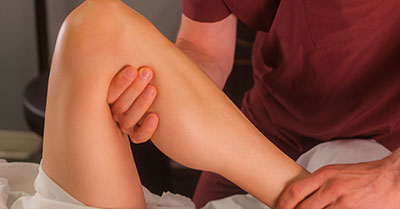
Deciding between sports massage and physical therapy requires understanding your specific needs. Each method offers distinct advantages tailored to different conditions.
Difference Between Sports Massage and Physical Therapy
Sports massage and physical therapy each have unique benefits. While massage focuses on relieving muscle tension and promoting relaxation, physical therapy aims to restore function through targeted exercises. While there is overlap between the two professions, they serve different purposes and ideally should be used together.
If you’re seeking immediate relief from muscle soreness or minor injuries, sports massage may be more suitable. On the other hand, if your goal is long-term recovery from surgery or chronic pain, physical therapy could be the better choice. Explore more differences in this article.
Exercise vs. Massage Therapy
Exercise and massage therapy serve different purposes but can complement each other. Regular exercise helps maintain strength and flexibility, while massage therapy soothes muscles and encourages recovery. Both activities can help you feel better in your body.
Incorporating both into your routine can enhance your overall well-being. If you’re active, consider massage therapy as a way to support your exercise regimen, ensuring that your muscles remain in top condition.
Choosing Treatment for Injuries
Selecting the right treatment depends on your injury and recovery goals. For acute injuries, starting with physical therapy might be beneficial. It offers structured rehabilitation to restore function. Many people choose massage to help them maintain once they have been discharged from physical therapy care. Or they do them together using the massage to help with the pain from the recovery process.
Conversely, if you’re dealing with muscle tension or minor strains, sports massage can provide immediate relief. Evaluating your symptoms and discussing them with a professional can guide you to the best choice. Remember, both treatments can work together for comprehensive care.
I would always be suspicious of a massage therapist or physical therapist who advises a patient not to explore all options for care unless there is a good reason, such as safety. Massage therapists who claim that you do not need PT are often misinformed about the power of their care. Both professions are great, but they have different uses.
Understanding your body’s needs and the benefits of each therapy will help you make an informed decision for your health journey. Whether you opt for sports massage or physical therapy, each path offers unique advantages. Consider your goals and choose the approach that aligns best with your current needs.