Performance – Recovery – Injury Prevention
CrossFit Massage Therapy Manhattan NYC
Specialized massage therapy designed to enhance performance, aid recovery, and prevent injuries for CrossFit athletes.

Specialized Treatment
CrossFit Massage Therapy Designed to Enhance Performance, Aid Recovery, and Prevent Injuries in Midtown Manhattan
CrossFit demands significant physical and mental exertion, blending weightlifting, gymnastics, and cardio to push the body’s limits. This intense regimen often leads CrossFit athletes to seek out massage therapy for recovery and injury prevention. Body Mechanics NYC explores various massage techniques, pinpoints optimal scheduling for therapy sessions, and offers tips for maximizing its benefits.
Our two prime Manhattan locations ensure easy access for CrossFit athletes training throughout the city. Looking for the location most convenient for you? Visit our massage places near me Manhattan page for detailed directions, neighborhood guides, and transit information for both offices.

Why It Matters
The Crucial Role of Massage Therapy in CrossFit Athlete Wellness Across NYC
Massage therapy is a powerful tool for CrossFit athletes, alleviating muscle soreness, enhancing range of motion, drawing blood flow to the surface of the skin, and promoting relaxation. The sport’s demand often leads to tight muscles and restricted movement, making massage therapy essential for releasing tension, boosting flexibility, and optimizing performance.
Massage therapy is crucial for injury prevention among CrossFit athletes. Improving range of motion and tissue mobility reduces the risk of muscle strains, sprains, and other injuries while supporting post-workout recovery, allowing for more rigorous and frequent training. The CrossFit massage treatment program focuses on maintaining and restoring mobility in key areas such as the shoulders, hips, and spine, addressing restrictions or imbalances from intense training, mitigating the effects of immediate recovery and long-term wear and tear, optimizing performance, and minimizing injury risk.
Elite and recreational athletes alike can benefit from massage therapy, which can reduce muscle tension, improve exercise performance, and prevent injuries. – Source
Our Expertise
Our Expertise in CrossFit Massage Therapy for Manhattan NYC Athletes
Our therapists at Body Mechanics NYC are well-versed in the movements, biomechanics, and common challenges associated with CrossFit. This specialized knowledge allows us to provide targeted treatment strategies that support your performance and recovery.
Session Frequency
How Often Should CrossFit Athletes in Manhattan Schedule Massage Sessions?
It varies based on personal preferences, training intensity, and budget. Regular monthly or weekly sessions can prevent injuries by addressing tight areas early, while budget-conscious athletes might schedule one or two sessions per training segment, focusing on injury-prone areas. It’s best to have massages after intense workouts or the following day for optimal recovery if it’s been a while since the last session.

Common CrossFit Movement Patterns We Address in Our Manhattan NYC Massage Sessions
CrossFit’s mix of Olympic weightlifting, gymnastics, and high-intensity conditioning places unique demands on the body, and certain lifts tend to expose the same mobility gaps again and again. Here are a few of the most common patterns our therapists see in Manhattan CrossFit athletes.
The Snatch, Overhead Squat or Push Press
These lifts demand significant shoulder flexion, external rotation, and thoracic extension all at once. Many office workers are naturally deficient in these areas. When mobility is limited in any of these directions, the body compensates with poor form, often without the athlete even noticing.
Over time, this creates small, repeated strain on the shoulder, low back, and upper back that can eventually turn into a bigger injury. Our bodies are designed to get things done; if you do not have range in one area, another will compensate. Our massage work focuses on mobilizing the shoulder blades and opening up the thoracic spine so these overhead positions become more accessible and sustainable, putting less stress on the compensating areas, an approach we detail further in how sports massage boosts CrossFit performance and helps prevent injuries.
The Kipping Pull-Up
This movement relies heavily on shoulder stability paired with a dynamic, whip-like motion through the torso. Athletes who lack adequate shoulder or lat mobility often overcompensate and injure themselves to try to get up to the bar. It is common to see strains and pulls through the shoulder girdle.
Box Jumps and Olympic Lifts (Clean, Deadlift)
These movements place heavy demand on hip and ankle mobility. Additionally, any plyometric exercise, or explosive exercise, can put additional strain on the body. Restricted hips are a common contributor to knee strain during heavy lifts and jumps, since the body looks for movement elsewhere when the hips can’t fully cooperate. Injuries are more common in the weaker areas as the force of the activity increases.
Our therapists assess your specific training patterns to determine which of these mobility gaps may be affecting you, then tailor your CrossFit massage session accordingly.
Our Services
Types of Massage Therapy Body Mechanics NYC Offer
Why Shoulder Mobility Matters for CrossFit Athletes Training in Manhattan NYC
CrossFit places heavy demand on the shoulders through overhead lifts like the snatch, overhead squat, and jerk, and understanding why these movements are so demanding on the joint helps explain why targeted massage work matters.
- Many Structures, One Movement: Shoulder mobility isn’t controlled by one single joint, it’s the result of many structures working together. The glenohumeral joint is where your upper arm bone connects to your shoulder socket, the joint most people picture when they think of “the shoulder.” But it doesn’t move well on its own.
- The Shoulder Blade’s Role: The glenohumeral joint relies on the scapula, or shoulder blade, rotating and gliding smoothly across the back of the rib cage to support it. This partnership is often called the scapulohumeral rhythm, and when it’s working properly, both structures move together in coordinated proportion to safely position your arm overhead.
- The spine’s role: in order for the shoulder blade to move, the spine also needs quality movement. The blades can only retract and elevate if the spine moves with them.
- What Happens When Mobility Is Restricted: Whether the limitation is in the scapula’s ability to rotate, the thoracic spine’s ability to extend, or the glenohumeral joint’s own range, the body doesn’t just stop moving. It compensates, often by rounding the upper back or shrugging the shoulder up to fake the range that’s missing.
- The Cost of Compensation: This compensation lets you complete the lift, but it also places extra strain on the muscles and tendons surrounding the joint, especially during heavy, repeated, or explosive movements like the snatch.
- Why It Builds Over Time: This pattern of compensation can quietly build into shoulder impingement, rotator cuff strain, or general instability, often without any single dramatic moment where it “went wrong.” For simple exercises that support shoulder health between sessions, see our rotator cuff stretches guide.
- Our Approach: Our therapists at Body Mechanics Orthopedic Massage don’t just treat shoulder soreness in isolation. We look at how your shoulder blade, thoracic spine, and shoulder joint are working together, and target the specific restriction that’s forcing the rest of the system to compensate.
Key Benefits
CrossFit Massage Offers the Following Benefits:
Alleviates muscle spasms and associated pain
Decreases post-exercise muscle tone and soreness
Enhances muscle and joint flexibility
Range of motion improvement and stretching helps lubricate the joint space
Increases proprioception and body awareness
Decreases stress
Improves sleep for better recovery
Experience the full benefits of our CrossFit massage therapy, featuring customized techniques like traditional massage, fascia work, Muscle Energy Techniques (MET), fatigue-relieving exercises, and fitted stretching routines.
A good massage releases more than tension; it revitalizes the soul.
Instrument-Assisted Soft Tissue Mobilization for CrossFit Recovery in Manhattan

At Body Mechanics NYC, we incorporate the Achedaway Heated Muscle Scraper into our CrossFit massage treatments to enhance recovery and performance. This innovative tool combines the benefits of traditional muscle scraping with soothing heat, allowing our therapists to effectively target and relieve muscle tension, adhesions, and soreness common in CrossFit athletes. The heat promotes increased blood flow and tissue pliability, making it easier to break down scar tissue and improve mobility. By integrating the Achedaway Heated Muscle Scraper into our sessions, we provide a comprehensive approach to addressing the unique demands of CrossFit, helping athletes achieve optimal results and faster recovery.
From Our CrossFit Massage Therapists in Midtown Manhattan
Our team at Body Mechanics Orthopedic Massage includes therapists who understand CrossFit’s movement demands firsthand, whether through their own training background or years of hands-on work with Manhattan’s CrossFit community.
We don’t just work on sore muscles; we look at how your body moves as a whole system, since a restriction in one area (like the thoracic spine) often shows up as pain somewhere else entirely (like the shoulder or lower back). If you’d like to learn more about the team working with you, visit our 34th Street or 54th Street therapist pages.
What to Expect During Your CrossFit Massage Therapy Assessment in Manhattan NYC
Before any hands-on work begins, your therapist takes time to understand how you actually move, not just where it hurts. This typically includes:
- A conversation about your training: What movements you’re currently working on, how often you train, and where you’ve been feeling tightness, pain, or restricted mobility.
- A movement check: Your therapist may ask you to mimic a position from a lift you’re working on, like an overhead squat or snatch position, to see where your range of motion is limited and where your form may be breaking down.
- Muscle and mobility testing: Simple hands-on tests help your therapist identify which specific muscles or joints are restricted, rather than guessing based on symptoms alone. This kind of assessment often overlaps with our physical therapy support services for athletes managing more complex mobility issues.
From there, your therapist builds a session focused on the areas most likely driving your discomfort or limiting your performance, whether that’s the shoulders, hips, thoracic spine, or a combination.
Between-Session Self-Care to Maintain Your Progress
Getting the most out of your CrossFit massage doesn’t stop when you leave the table. Your therapist may recommend simple stretches or mobility drills to help you retain the range of motion gained during your session, especially for areas like the shoulders, hips, or thoracic spine that tend to tighten back up between visits.
For guidance between sessions, our ultimate guide to stretching techniques and foam rolling tips covers practical ways to maintain mobility on your own. Staying consistent with this homework, along with regular sessions scheduled around your training intensity, helps ensure the improvements from each visit actually carry over into your workouts rather than fading within a few days.
Available Add-Ons
Enhance your session

Sleep Mask
$10

Heated Blade
$10
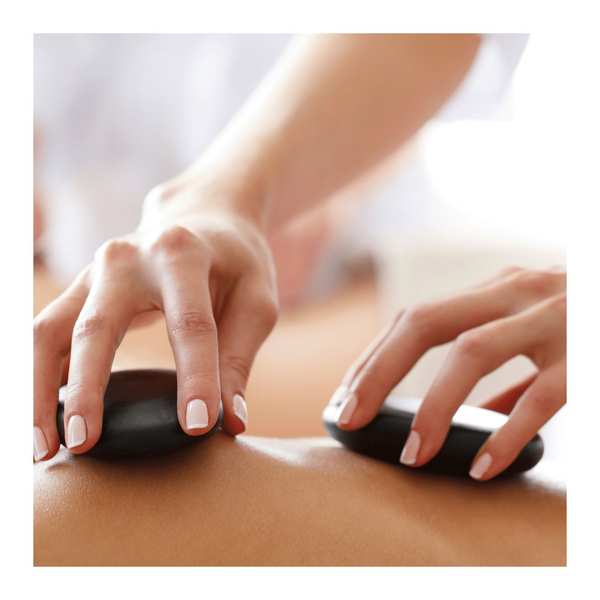
Hot Stones
$20

CBD Massage
$15
Our Locations
Our Two Easy To Reach Locations in Manhattan NYC
Our two centrally located studios in Manhattan make it easy for you to access our services. Both locations are easily accessible by public transportation and are designed to be handicap accessible.
Midtown West – 54th Street
Mon-Fri 9:00 AM-8:30 PM; Sat-Sun 9:00 AM-5:30 PM
Herald Square – 34th Street
Mon-Sun 9:00 AM-8:30 PM
Get in Touch
Contact & Booking
Booking a session at Body Mechanics Orthopedic Massage is simple. Reach out by phone or online.
Book Online
Schedule an appointment
Login to our booking portal to pick a time that works for you.
Gratuity Info
Gratuities are not included in service pricing — tips may be left in:
Cash
Venmo
Common Questions
FAQs About CrossFit Massage Therapy in Manhattan, NYC
What is CrossFit massage, and how does it differ from traditional massage therapy?
Body Mechanics NYC offers CrossFit massage, a specialized approach designed specifically for CrossFit athletes. It addresses the unique muscular imbalances, tightness, and recovery needs associated with CrossFit training, utilizing techniques such as deep tissue massage, myofascial release, and active stretching.
How often should CrossFit athletes schedule massage sessions with Body Mechanics NYC?
The frequency of massage sessions depends on individual training intensity, recovery needs, and goals. However, many CrossFit athletes benefit from scheduling sessions with Body Mechanics NYC weekly or bi-monthly to maintain muscle health, prevent injuries, and optimize performance.
Can CrossFit massage help alleviate soreness and improve recovery post-workout?
Yes, Body Mechanics NYC’s CrossFit massage sessions are designed to alleviate muscle soreness, reduce inflammation, and enhance recovery post-workout. By targeting specific muscle groups and addressing areas of tension, CrossFit massage promotes quicker recovery and aids in overall performance improvement.
What types of techniques are utilized during a CrossFit massage session with Body Mechanics NYC?
Body Mechanics NYC employs various techniques customized to the individual needs of CrossFit athletes. These may include deep tissue massage, myofascial release, trigger point therapy, active stretching, and proprioceptive neuromuscular facilitation (PNF) techniques, among others.
Does insurance cover CrossFit massage, and what payment options are available at Body Mechanics NYC?
While coverage varies depending on insurance providers, some plans may cover CrossFit massage as part of rehabilitation or injury prevention services. Body Mechanics NYC accepts various payment options, including cash, credit/debit cards, and health savings account (HSA) or flexible spending account (FSA) cards.
Testimonials
What our clients say
At a Glance
Complete Services Overview
A closer look at each therapy. Use the Learn More links to explore related service pages.

Medical Massage
Targeted, results-driven bodywork for pain, injury recovery, and chronic conditions backed by orthopedic assessment.

Sports Massage
Deep, athletic-focused work to improve range of motion, speed recovery, and prepare or repair from training and competition.

Swedish Massage
A calming, full-body massage option for grounding sensory relaxation, stress relief, and recovery support.

Massage with Cupping
Manual massage combined with cupping to release fascia, increase circulation, and decompress restricted tissue.

Lymphatic Massage
Gentle, rhythmic technique that supports the lymphatic system to reduce swelling and aid post-surgical recovery.

Massage and Stretch
A blend of focused massage and assisted stretching to improve flexibility, mobility, and movement quality.

Prenatal Massage
Safe, supportive bodywork for expecting parents, relieving back pain, swelling, and pregnancy-related tension.

TMJ / TMD Massage
Specialized intra- and extra-oral work to address jaw tension, clenching, headaches, and TMJ discomfort.

Post-Mastectomy Massage
Compassionate, scar-aware massage for those healing from breast surgery or mastectomy.