Hands-On · Holistic · Healing
Myofascial Release Therapy Manhattan NYC
Discover the Power of Myofascial Release Therapy at Body Mechanics Orthopedic Massage

Myofascial Release
Discover the Power of Myofascial Release Therapy at Body Mechanics Orthopedic Massage in Midtown Manhattan
Transform Your Health with Expert Care from Manhattan’s Trusted Myofascial Massage Therapists
Welcome to Body Mechanics Orthopedic Massage, where Myofascial Release Therapy is a cornerstone of our holistic approach to wellness and pain management. Our mission is to provide personalized care that addresses not just your symptoms, but the root cause of your discomfort, guiding you toward lasting relief and better overall health. If you’re curious about how our myofascial release techniques can help you specifically, our team breaks down exactly what this hands-on approach can do for chronic pain, mobility, and everyday tension.

Understanding the Technique
What is Myofascial Release Therapy?
At Body Mechanics Orthopedic Massage, we understand that true healing begins with the body’s connective tissues. These tissues are intricately tied to your nervous system and so can become tight and dysregulated when stressed or injured. Myofascial Release Therapy is a powerful hands-on technique that targets the fascia— the connective tissue that makes up your skin, enveloping muscles, bones, and organs. By applying sustained pressure to the fascial layer (surface of the skin) and tight areas, we help alleviate pain, restore motion, and promote healing, addressing conditions from chronic pain to acute injuries.
Fascia work is typically done dry or through the sheets. The massage therapist places their hand on the body in an area that needs to be addressed and applies a strong, sheer force. The pressure is typically not downward like in a deep tissue, but instead is across the body, to create sheer and drag. Both the massage therapist and the patient often feel a ‘release’ of tissue, which is the neurological response to the sheer force. Your tissues aren’t being stretched or torn, but they do feel loser and more functional after typically.
Fascia work is not a whole treatment typically; it is one of many modalities that might be used in a massage therapy session depending on need. While fascia work feels good, a whole hour of ‘skin stretching’ may not be what most people are looking for.
What Is Fascia, and Why Does It Matter?
Fascia is the continuous web of connective tissue that surrounds your muscles, bones, nerves, and organs, running from head to toe like an internal support network. Because this network is interconnected, tightness in one area, say, your hip or lower back, creates discomfort far from where the original restriction started. Healthy fascia glides smoothly, but after injury, surgery, inflammation, or ongoing strain from things like long commutes or desk work, it can thicken and lose flexibility.
If you’re curious about the underlying science, our deep dive on fascia and mobility covers this in more detail. For a more personal, behind-the-scenes perspective, our founder also shares what she didn’t learn about fascia work in massage school, a candid look at how much of this approach comes from hands-on clinical experience rather than textbook training.
Myofascial Release vs. Trigger Point Therapy: What’s the Difference?
Myofascial Release Therapy and Trigger Point Therapy are closely related, and many Manhattan clients ask how they differ. Trigger point work targets small, isolated ‘knots’ or tight, painful bands of muscle within a muscle using focused, sustained pressure to ‘release’ or relieve a specific spot. Myofascial release, by contrast, works across a broader area of connective tissue using slow, sheer lateral force rather than downward pressure into one point.
In practice, our therapists often blend both techniques within the same session, using trigger point work to address a specific ‘knot’, then myofascial release to help the area feel looser. The table below breaks down how the two approaches compare.
When we refer to what is commonly called knots, we are referring to trigger points or tight, sensitive knots in muscle fibers. People often call them muscle knots. They form when tiny parts of a muscle stay squeezed and cannot relax. This cuts off blood flow and causes a dull ache or sharp pain, a mechanism described in clinical research on myofascial trigger points.
| Myofascial Release Therapy | Trigger Point Therapy | |
| What It Targets | The fascia, the connective tissue surrounding muscles, bones, and organs | Small, isolated ‘knots’ within a specific muscle or muscle group |
| Technique Used | Slow, sustained shear-force pressure applied across the tissue | Focused, sustained ischemic pressure applied directly into one spot |
| Pressure Direction | Across the body, creating shear and drag | Downward, into the ‘knot’ or painful tissue band |
| Sensation | Gentle stretching or mild pressure as tissue softens. Often a sense of relief or ‘unwinding’. | Localized tenderness or a “good hurt” at the exact spot. Sometimes twitching, softening or releasing. |
| Best For | Broad restrictions, large areas, feeling of tightness, sensations that feel like pulling, or restriction. | Specific, localized pain, referred pain patterns, tight bands of deeper tissue |
| Common Conditions Addressed | TMJ tension, postural strain, chronic back pain, sports recovery personal preferences | Muscle ‘knots’, tension headaches, repetitive strain pain, tight bandy areas, trigger points, and personal preference. |
| How It’s Typically Used | Often integrated into a larger session alongside other modalities | Often integrated into a larger session alongside other modalities |
| At Body Mechanics | Available as a dedicated Myofascial Release Therapy service | Available as a dedicated Trigger Point Therapy service |
Not sure which approach fits your needs? Our Manhattan therapists assess your specific pain patterns during your session and often combine both techniques for more complete, lasting relief.
Our Expertise
Why Choose Body Mechanics Orthopedic Massage for Myofascial Release Massage Therapy in Manhattan NYC?
1
Expertise: Our therapists are not just skilled; they’re deeply passionate about your wellness, bringing years of experience and specialized training in Myofascial Release Therapy. Our team regularly attends continuing education to sharpen these skills, including our founder’s firsthand review of the Walt Fritz Myofascial Release seminar, one of the field’s respected training programs
2
Personalized Care: We believe in treating the individual, not just the issue. Every session is tailored to your unique needs, ensuring a therapy plan that’s as unique as you are.
3
Holistic Approach: We are treating the whole body by updating traditional massage and manual therapy through a science based approach. We offer a comprehensive treatment strategy that supports your body’s natural healing processes.
4
Empowering Education: Beyond immediate relief, we equip you with knowledge and self-care practices to enhance your well-being and prevent future issues.
Techniques Our Myofascial Massage Therapists Use in Midtown Manhattan
Our therapists draw from several approaches depending on your specific areas of restriction:
- Direct Myofascial Release: Steady, sustained pressure applied directly into a restricted area to lengthen and soften the fascia.
- Indirect Myofascial Release: A gentler approach used when tissue is too sensitive for direct pressure, guiding the tissue into a position of ease so it can release gradually.
- Cross-Fiber Shear Technique: Pressure applied across the muscle rather than downward, creating the “shearing” effect that helps tissue layers move and slide against each other more freely.
- Skin Rolling: A lifting and rolling technique used to release superficial fascial adhesions close to the skin’s surface. Read more about how skin rolling works.
- IASTM (Heated Muscle Scraper): For more stubborn, long standing restrictions, we offer heated instrument assisted soft tissue mobilization as an add on to further break up adhesions and improve tissue glide.
Conditions We Commonly Treat with Myofascial Release Therapy in Manhattan NYC
Fascia connects every part of your body, so restrictions in one area often show up as pain or stiffness somewhere else entirely. Below are some of the most common conditions our Manhattan therapists address through myofascial release.
TMJ and Jaw Tension
Jaw clenching and TMJ dysfunction often create tension that radiates into the neck and shoulders. Myofascial release helps soften the fascia around the jaw joint and upper cervical spine. This pairs well with our dedicated TMJ Massage Program, and if you want to understand the intraoral approach specifically, see our guide to TMJ intraoral massage.
Chronic Neck and Back Pain
Fascial tightness in the hips, lumbar region, or upper back can limit spinal mobility and contribute to persistent discomfort, a pattern we cover in our piece on massage therapy for low back pain.
Postural Strain from Desk Work
Hours of sitting can gradually tighten the fascia across the chest, shoulders, and hips, pulling the body out of alignment. Myofascial release can help restore length and mobility here, especially for Manhattan’s fast paced, desk bound professionals.
Sports Related Tightness and Overuse
Runners, lifters, and other active clients often develop fascial restrictions from repetitive movement patterns. Myofascial release can be integrated into a Sports Massage session to support recovery between training cycles.
Tension Headaches and Migraines
Restrictions in the fascia of the neck and upper back can contribute to headache frequency and intensity, a connection explored further in our guide to massage for migraine and tension headache relief.
Stress Related Muscle Tension
The body often holds stress physically — clenched jaws, raised shoulders, and a generally guarded posture. Myofascial release addresses this stress-related tightness directly through the connective tissue rather than just the muscles themselves.
Myofascial Release for Athletes & Active New Yorkers Across Manhattan
Manhattan’s runners, lifters, cyclists, and fitness class regulars put a lot of repetitive strain on their fascia, often without realizing it until mobility starts to suffer. Myofascial release helps address this layer of tension that traditional stretching alone often can’t reach.
- Built Into Sports Massage: Fascia work is commonly integrated into a Sports Massage session to improve tissue glide, support better movement patterns, and reduce the risk of overuse injuries before they sideline your training.
- For Runners: Helps loosen tightness in the hips and calves that can otherwise affect stride mechanics ahead of races.
- For Lifters & CrossFit Athletes: Keeps shoulders, hips, and thoracic fascia mobile between heavy training blocks.
- For Recovery: Restricted fascia around old injuries or scar tissue can make certain movements feel permanently “stuck,” even long after the initial injury has healed. Releasing these restrictions helps restore a fuller range of motion, so training feels less limited and recovery happens more efficiently.
What We Offer
Our Myofascial Release Therapy Services for Manhattan NYC Clients
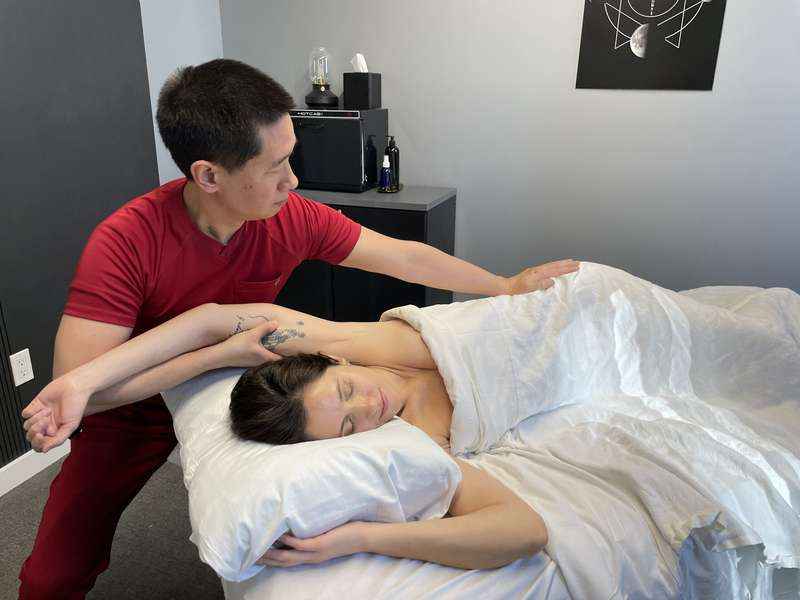
Our approach is rooted in a deep understanding of the body’s interconnected systems. We offer:
- Integrated Into Therapeutic Massages: Fascia work can be integrated into your medical, sports or prenatal massage seamlessly so you have an overall fantastic experience.
- Customized Treatment Plans: Focused on achieving your personal wellness goals.
- A Range of Techniques: From gentle touch to deeper pressure, tailored to your comfort and therapeutic needs.
- Support and Guidance: Empowering you with tools and knowledge for self-care and sustained wellness.
What to Expect During a Myofascial Release Session at Body Mechanics NYC
A myofascial release session moves at a slower, more deliberate pace than a typical massage, giving your fascia time to actually respond rather than being rushed through. Here’s what the process generally looks like from start to finish.
- Initial Check-In: Your session starts with a short conversation about where you’re feeling tightness, pain, or restricted movement, so your therapist can focus on the areas that matter most.
- Dry Technique: Fascia work is typically done without oil or lotion, either directly on the skin or through a sheet, since traction is what makes the technique effective.
- Sustained Pressure: Your therapist places their hands on the area needing attention and applies slow, sustained pressure across the tissue rather than pushing straight down, creating a gentle shearing effect that helps the fascia loosen and glide.
- The Release Sensation: You may feel a distinct release as tight tissue softens under pressure, often described as a satisfying letting-go sensation rather than pain.
- A Slower Pace: Sessions move more slowly than a typical massage, since fascia responds best to patience rather than speed.
- Integrated, Not Standalone: Myofascial work is rarely the entire session; it’s usually woven into a broader treatment alongside deep tissue massage or trigger point therapy, so your body gets a well-rounded approach rather than an hour of stretching alone.
- Ongoing Communication: Your therapist checks in on your comfort level throughout and adjusts pressure as needed. There’s no need to stay quiet through discomfort, open communication helps fine-tune the technique to your body’s response in real time.
What to Expect After Your Myofascial Release Session in Midtown Manhattan
It’s common to feel mild soreness in the treated areas for a day or so afterward, similar to how muscles feel after a good workout. This typically fades quickly and is often replaced by a noticeable sense of looseness and improved movement. Staying hydrated and doing some gentle stretching in the days following your session can help your body settle into the results.
For clients managing chronic restrictions, we typically recommend a short series of sessions rather than a single visit, since fascia tends to respond best to consistent, progressive work over time. Your therapist will walk you through a personalized recommendation based on what they find during your assessment.
What Our Manhattan Clients Experience with Myofascial Release Therapy
Consistent myofascial work tends to show up in ways clients notice in daily life, not just on the massage table. Here’s what regulars at our Manhattan locations often report over time.
Reduced Pain & Tension
- Chronic tightness starts to feel more manageable day to day
- Fewer tension flare-ups after long hours at a desk or a stressful week
- Less reliance on stretching or over-the-counter pain relief just to get through the day
Improved Mobility & Posture
- Turning your neck, reaching overhead, or bending feels noticeably easier
- Shoulders and upper back feel less pulled forward from phone or computer use
- Everyday movement, walking, sitting, standing, feels more natural and less effortful
Better Recovery & Long-Term Resilience
- Faster recovery between workouts, training cycles, or physically demanding weeks
- Areas around old injuries or scar tissue feel less restricted over time
- A better sense of where tension tends to build, so it gets addressed before it becomes a bigger issue
How Long Does a Myofascial Release Therapy Session Take at Our Manhattan Locations?
Fascia work is rarely a stand-alone, full-length session. It’s most often integrated into a broader massage session that also addresses the surrounding muscles. Depending on your treatment plan, a portion of your 60–90 minute session may be devoted specifically to myofascial techniques, with the rest combining complementary approaches like deep tissue massage or trigger point work. Spending an entire hour on fascia work alone isn’t typically what most clients are looking for, which is why our therapists tailor the balance to your specific needs during your visit.
Client Results
Experience the Difference with NYC’s Skilled Myofascial Massage Therapists
Clients of Body Mechanics Orthopedic Massage often report significant improvements not only in their specific areas of discomfort but in their overall sense of well-being. Our therapy sessions are designed to be a place where healing and rejuvenation occur naturally and effectively.
Get Started
Join Our Manhattan Wellness Community
Ready to experience the power of Myofascial Release Therapy? Contact Body Mechanics Orthopedic Massage today to schedule your consultation. Let us be your partners in health, guiding you to a life of reduced pain, enhanced mobility, and improved quality of life.
Stay Connected
Stay Informed and Inspired
Follow Body Mechanics Orthopedic Massage on social media for the latest in wellness tips, client stories, and updates from our clinic. Join our community of health enthusiasts and begin your journey to a better, healthier you.
Book Your Myofascial Release Session in Midtown Manhattan Today
Ready to experience the power of Myofascial Release Therapy? Let us be your partners in health, guiding you to a life of reduced pain, enhanced mobility, and improved quality of life.
Available Add-Ons
Enhance your session

Sleep Mask
$10

Heated Blade
$10
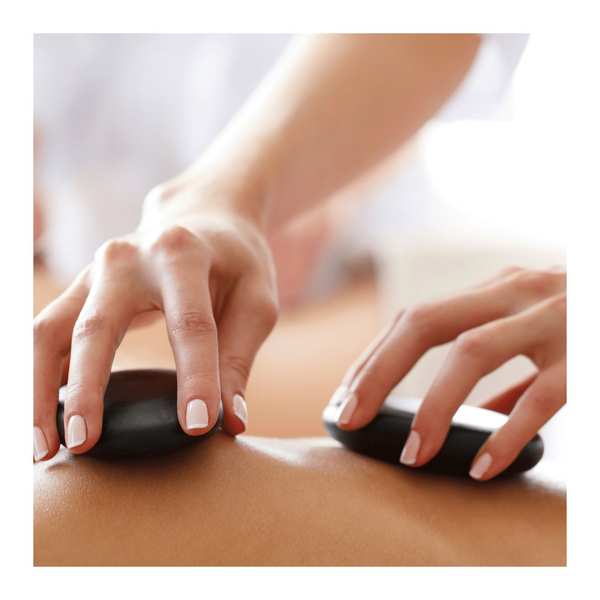
Hot Stones
$20

CBD Massage
$15
Our Locations
Our Two Easy To Reach Locations in Manhattan NYC
Our two centrally located studios in Manhattan make it easy for you to access our services. Both locations are easily accessible by public transportation and are designed to be handicap accessible.
Midtown West – 54th Street
Mon-Fri 9:00 AM-8:30 PM; Sat-Sun 9:00 AM-5:30 PM
Herald Square – 34th Street
Mon-Sun 9:00 AM-8:30 PM
Common Questions
Frequently Asked Questions About Our Myofascial Release Therapy in NYC
What does myofascial release help with?
Myofascial release therapy helps reduce chronic pain, improve mobility, and relieve muscle/skin tightness caused by restrictions in the fascia. At Body Mechanics Orthopedic Massage, it is commonly used for back pain, neck stiffness, postural issues, sports injuries, and repetitive strain conditions.
How is myofascial release different from a regular massage?
Unlike a traditional relaxation massage, myofascial release focuses on slow, sustained, sheer force pressure on restricted fascial tissue rather than muscle alone. Rather than pressing down, the therapist is pressing across the surface of the skin. This therapeutic approach addresses the underlying connective tissue imbalances that often cause long-term discomfort.
Is myofascial release painful?
Myofascial release should not be painful, but you may feel mild pressure or stretching as tight areas soften. Our therapists at Body Mechanics Orthopedic Massage always work within your comfort level and adjust pressure to ensure a safe, effective session.
How long does it take to see results from myofascial release?
Some clients feel relief after one session, while others notice improvement after several treatments, depending on the severity of fascial restrictions. Consistency and personalized treatment plans typically lead to the best long-term results.
What conditions benefit most from myofascial release therapy?
Common conditions that respond well include fibromyalgia, chronic neck or back pain, TMJ dysfunction, sports-related injuries, and postural tension from long hours of sitting or computer work, common among New York City professionals. Our therapists at Body Mechanics Orthopedic Massage customize sessions to your activity level, lifestyle, and specific pain patterns.
Can myofascial release help with athletic performance?
Yes. Myofascial release improves flexibility and enhances range of motion. Many athletes come to Body Mechanics Orthopedic Massage for fascia work to support training cycles and manage injuries.
What should I expect during a myofascial release session?
Your therapist will use slow, sustained pressure, gentle stretching, and hands-on fascial techniques to release restricted tissue. Sessions are typically done without lotion or through a sheet so the therapist can create the right traction on the fascia.
Is myofascial release safe for everyone?
Myofascial release is safe for most people, but in certain conditions, such as active infections, open wounds, or recent fractures, it may not be appropriate for. Additionally, if you have fragile skin, this treatment is not for you. The Body Mechanics Orthopedic Massage team will review your health history to ensure the treatment is appropriate.
How long does a typical myofascial release therapy session last?
Massage sessions in general last 60–90 minutes, with some of that time devoted to the fascia work, depending on your treatment plan. The exact time allotment can be discussed with your therapist. Having a whole hour of myofascial release would not be comfortable.
Does insurance cover myofascial release therapy in New York?
Coverage varies depending on your provider and plan. Myofascial release is a ‘modality’ within your massage treatment. While Body Mechanics Orthopedic Massage is an out-of-network provider, we can provide documentation for clients seeking reimbursement. Always check your benefits for manual therapy services.
Do you offer myofascial release for postoperative or medical conditions?
Yes, many clients seek us out for medical-oriented work. Our therapists have experience with postoperative care, chronic pain conditions, and medically complex cases. If you’re recovering from injury or surgery, the team at Body Mechanics Orthopedic Massage will tailor the session to your provider’s recommendations and your comfort level.
Testimonials