TMD Intra-Oral Massage vs. Buccal Massage
Jaw pain can sneak up and stick around longer than you want. In Fact, jaw pain in general is a real problem for Americans. More than 10 million Americans suffer from jaw pain. When it comes to relief, not all massages are the same, you are going to want something that specifically targets the temporomandibular joint and surrounding muscles, not just general relaxation. At Body Mechanics Orthopedic Massage, our TMJ massage program in NYC is designed to address jaw pain at its source using targeted manual techniques.
While most massages will make you feel generally better, TMD intraoral massage and Buccal massage both target the face and jaw, but in very different ways. Knowing which technique addresses your TMJ issues best can make all the difference in easing that tension. When you’re shopping for care, the choices might be overwhelming. Let’s break down how these two approaches work so you can experience relief faster.
Understanding TMD Massage
What is Intra-Oral Massage?
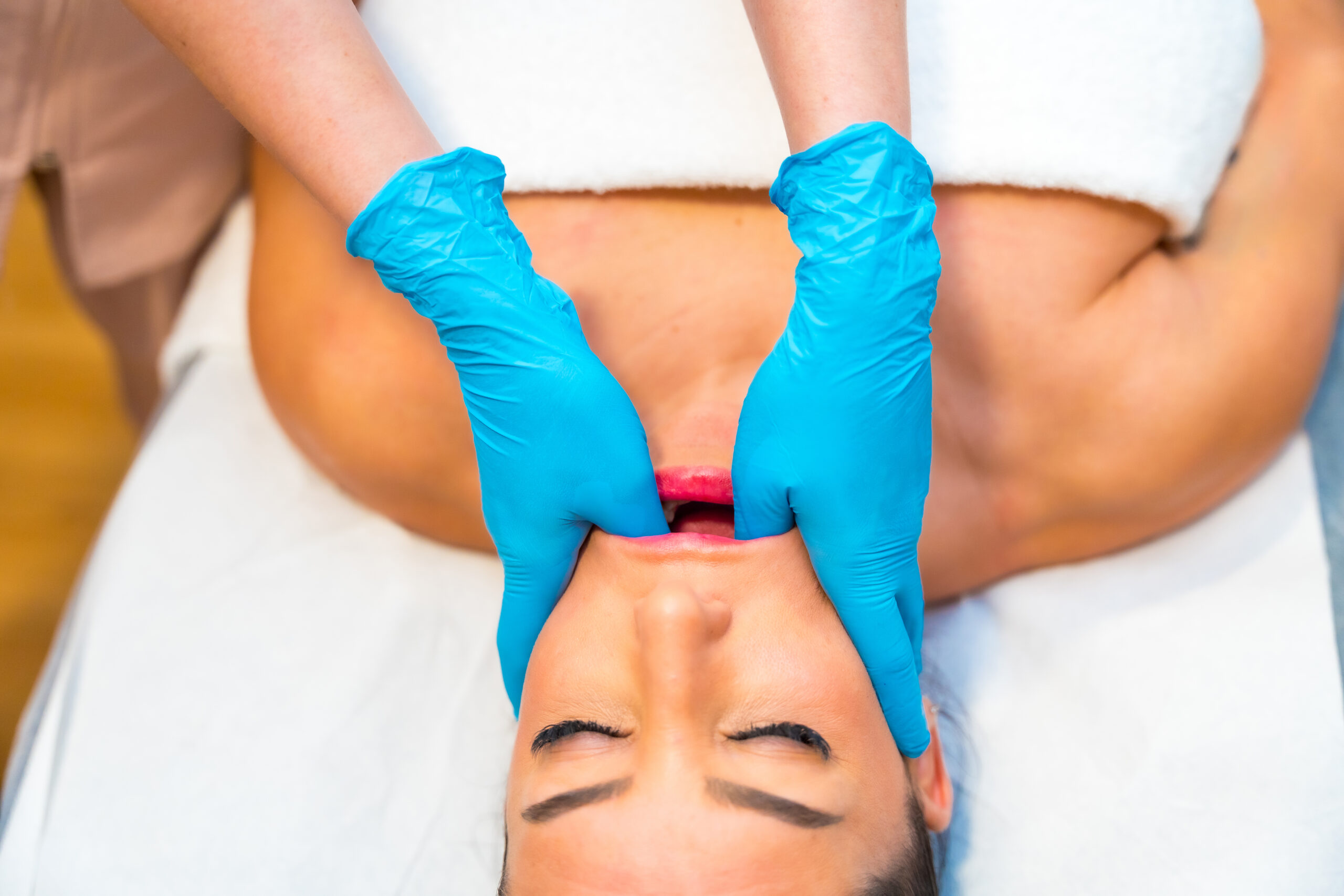
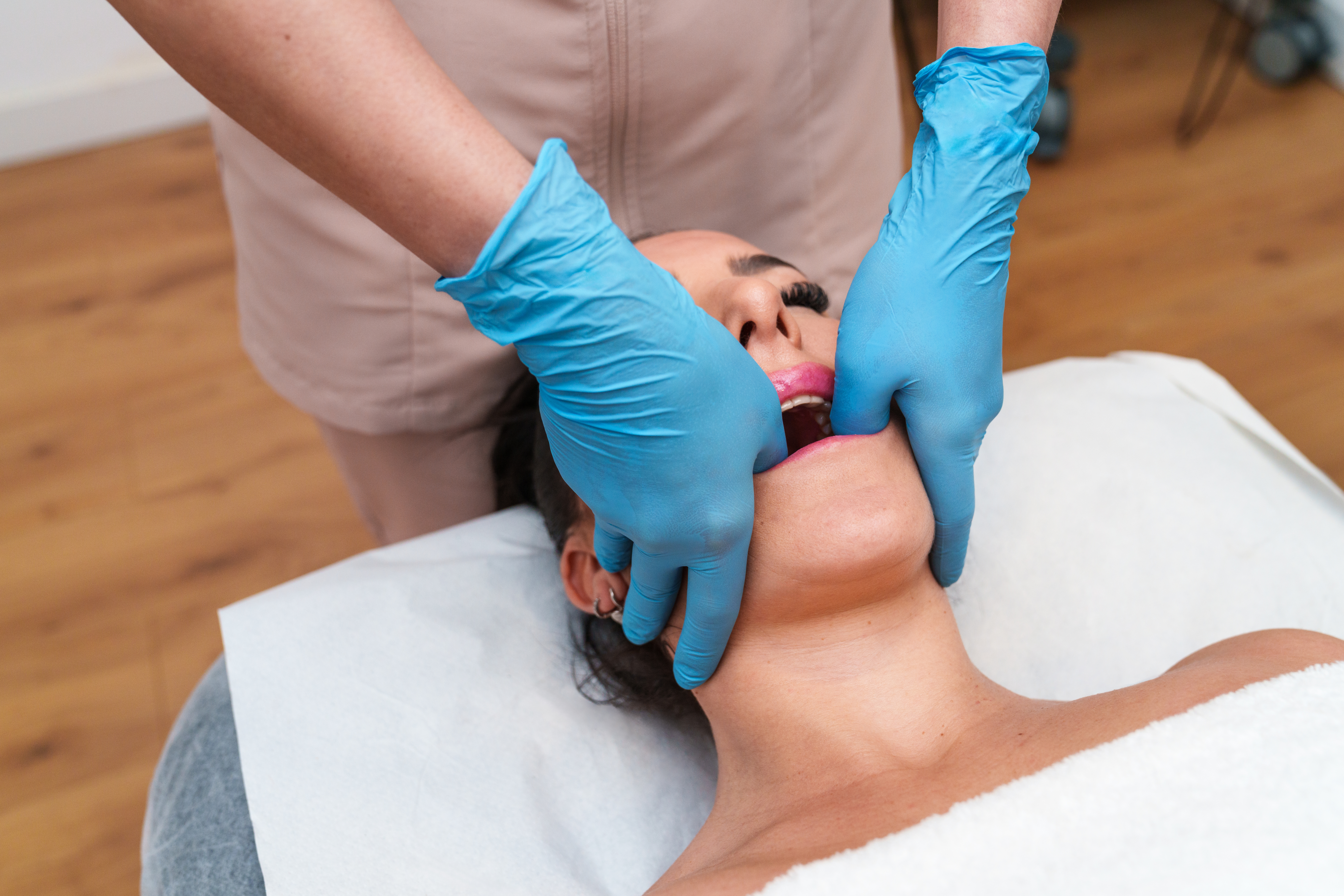
Intra-oral massage involves working on the muscles inside your mouth. This technique targets the joints and muscles associated with the temporomandibular joint (TMJ). A massage therapist wears gloves and uses precise methods to release tension. This might include massage, fascia work, and movement to access the spaces within the mouth. Much of the interior or the mouth is lined with muscle and tissue that often goes overlooked. It sounds unusual, but many find massaging this area effective.
By focusing on the inner muscles, intra-oral massage can help people who suffer from jaw clenching or grinding. These issues often cause headaches and jaw discomfort. When these muscles relax, the pain usually decreases, and jaw function improves. Learn more about intra-oral massage here.
In our clinic, the TMD (standing for Temporomandibular dysfunction) program covers jaw dysfunction and the areas related to it. It is just limited to the jaw and the intra-oral component. We know a lot of the head, face, neck, and back are often involved in face/jaw pain, so those areas are also assessed and included.
Benefits for Jaw Pain Relief
If you’re tired of constant jaw pain, this massage could be a game-changer. Intra-oral massage doesn’t just ease pain; it can improve your daily life. Imagine speaking, eating, and laughing without discomfort. That’s what this method offers. Managing chronic facial pain is tough, and it is important to have tools at your disposal that can help you modulate. Both intraoral massage and client education have great potential to relieve discomfort.
Many clients report reduced headaches and improved jaw mobility after a few sessions. The approach also helps in decreasing stress-related symptoms, making it a holistic solution. Regular treatment can even prevent future discomfort. For more on the effectiveness of our techniques, check out our page here.
Exploring Buccal Massage
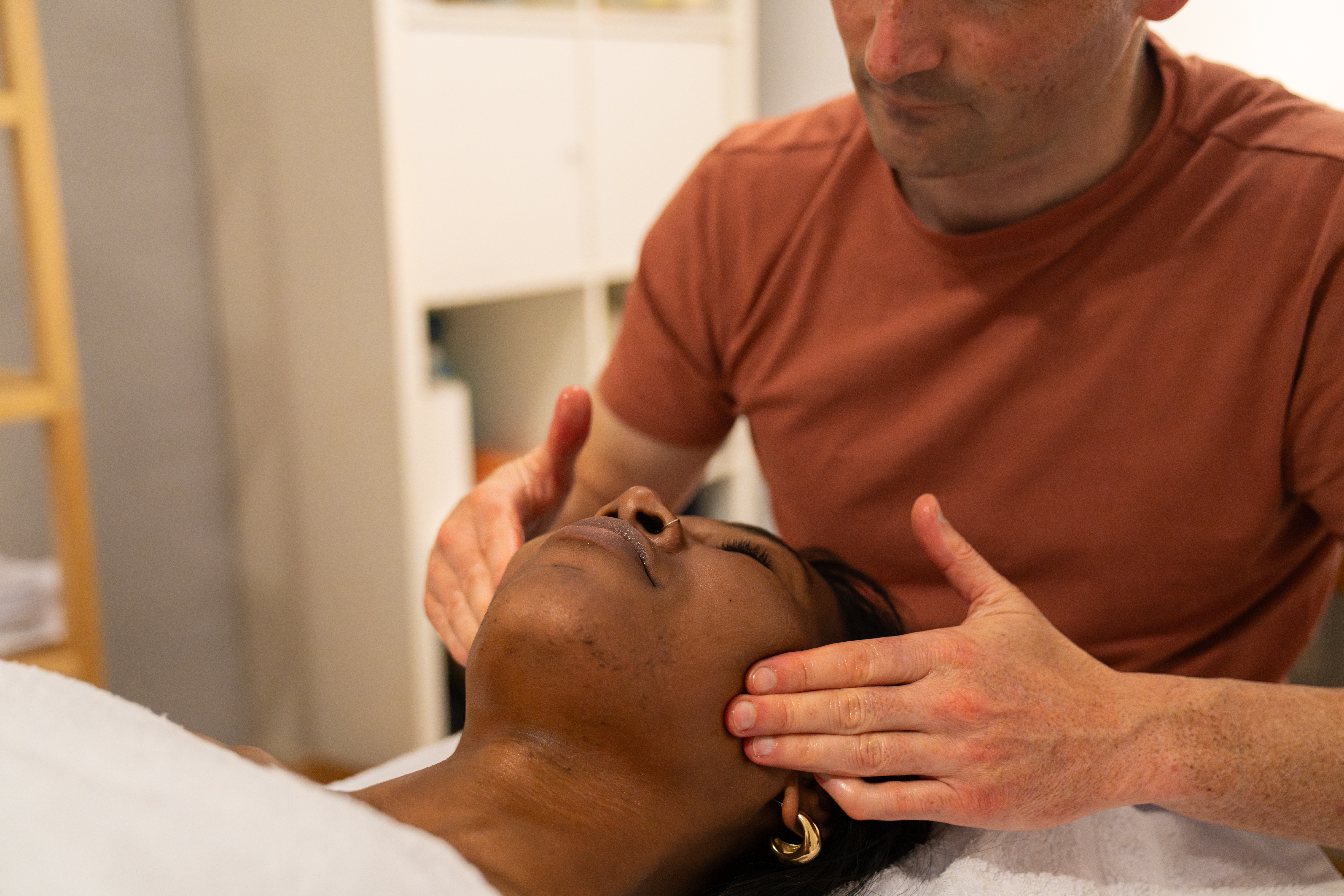
When looking for options, you might see both TMD massage and Buccal. What is the difference?
Techniques and Applications
Buccal massage works on your facial muscles, both inside and outside the cheek. This method not only targets the jaw but also the surrounding facial muscles that can contribute to tension. By addressing these areas, the massage helps reduce pain and improve facial symmetry. In some cases, buccal massage might be considered more of an esthetic practice. Buccal refers to the area of the mouth, named for the muscles there; it is not specific to treating a condition, pain, or dysfunction.
This technique uses a gentle, rhythmic approach to release tension. It’s not just about relaxation; it’s about achieving harmony in your facial muscles. This approach can also enhance skin elasticity. For a deeper dive into buccal massage, see this detailed FAQ.
Advantages for TMJ Treatment
Buccal massage, jaw massage, and TMD massage can offer relief where other treatments might fall short. This approach can manage jaw pain while improving overall facial health. Many people find that it not only reduces TMJ discomfort but also enhances their appearance by toning facial muscles. They often also include this massage therapy in their overall health care plan with PT, Botox, and pain management for these conditions.
Regular sessions can lead to reduced stress, reduced pain, better function, and reduced tension headaches.
Choosing the Right Treatment
So, which massage is right for you? Understanding how these techniques differ is vital in making an informed choice.
Comparing TMD and Buccal Massage
Both treatments target jaw pain, but they have different focuses. TMD intra-oral massage is ideal for deep muscle tension, jaw clenching, and dysfunction. That can include facial pain as well. Buccal massage, meanwhile, offers a treatment more focused on the mouth and the surrounding tissues themselves.
We would consider our TMD intraoral program to include buccal massage when needed (based on assessment), but a practitioner who practices only buccal massage may not necessarily include the jaw and dysfunction in their practice. It would be essential to ask about the scope of what they are including, so you know you’re booking the right service. Consider your symptoms and goals. If jaw clenching and dysfunction are your main issues, intra-oral massage could be the answer. For overall facial tension and appearance, buccal massage might be more suitable. Consult with a licensed massage therapist to guide your choice and ensure the best results.
Booking Your Consultation Today ✨
Ready to take the next step? Booking a massage is easy and the first step towards feeling better. During your visit, our specially trained therapists will assess your needs and recommend the ideal treatment plan. Don’t let jaw pain dictate your life any longer. Find the relief you deserve and explore how these targeted massages can transform your well-being.