Summary
Shin splints (medial tibial stress syndrome) cause dull pain along the tibia from overuse, tight calves, and training errors. Massage therapy, including sports massage, trigger point therapy, and myofascial release, supports recovery by easing muscle tension, though it doesn’t directly treat the bone itself.
Key Takeaways
- Shin splints, medically called medial tibial stress syndrome, cause dull, diffuse pain along the inside of the tibia, most common among runners.
- Tight or overworked calf muscles are one of the biggest contributing factors, transferring extra stress to the shinbone with every stride.
- Massage therapy does not directly treat the bone stress itself, but it can reduce the muscular tension pulling on the tibia, making it a supportive part of recovery.
- Sports massage, trigger point therapy, and myofascial release should target the calf, ankle, and hip muscles, not the inflamed area of the shin directly.
- Sharp, localized pain that doesn’t ease with rest may signal a tibial stress fracture, which requires medical evaluation, not massage.
- Body Mechanics Orthopedic Massage offers evidence-informed shin splint recovery support at two Manhattan locations, Herald Square and Midtown West.
That dull, aching pain running along the inside of your shin after a long run through Central Park or a hard training block isn’t just soreness you can run through. Shin splints, medically known as medial tibial stress syndrome, are one of the most common overuse injuries among runners, and they can sideline training for weeks if not managed properly. This guide covers what actually causes shin splints, how long recovery realistically takes, and an honest look at where massage therapy fits into a treatment plan, including where its benefits are more limited than some sources suggest.
What Are Shin Splints?
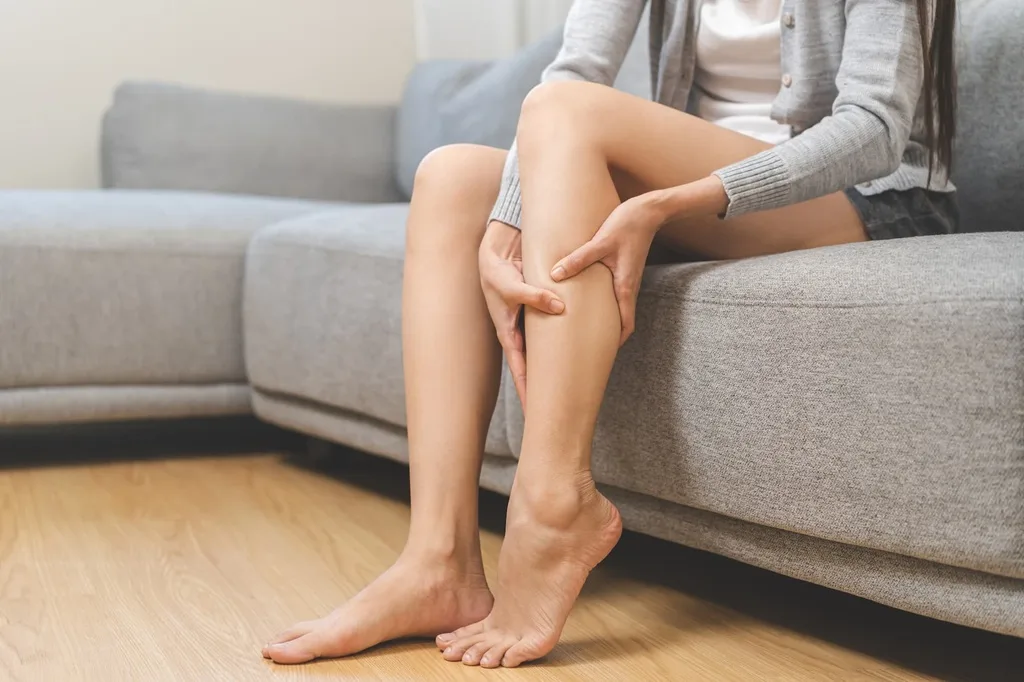
Shin splints refer to pain along the shinbone, or tibia, most often felt along the inside (medial) edge of the lower leg. The clinical term, medial tibial stress syndrome, reflects that this condition sits on a spectrum of bone stress injuries, ranging from mild irritation of the tissue surrounding the tibia to, in more severe or ignored cases, an actual tibial stress fracture. Most people experience this as pain, discomfort, pressure and tightness in the front of the lower leg.
According to a review published in Current Reviews in Musculoskeletal Medicine, shin splints result from repetitive muscle contraction and tibial strain that the body isn’t able to fully heal from between training sessions, and the condition is one of the most common causes of exertional leg pain in athletes.
What Causes Shin Splints?
Shin splints are typically the result of several factors combining rather than one single cause. A narrative review on medial tibial stress syndrome found the condition affects a substantial share of runners and other physically active populations, with known risk factors including sudden increases in training load, muscular imbalances, and biomechanical factors like flat feet. Common contributors include:
- Sudden increases in training volume or intensity or hills, a classic “too much too soon” pattern common among new runners or those returning after time off
- Tight or overworked calf muscles, which increase stress transferred to the lower leg and shinbone
- Running on hard or uneven surfaces, including many Manhattan streets and sidewalks
- Worn-out or unsupportive footwear that no longer absorbs impact effectively
- Flat feet or over-pronation, which can alter how force travels up through the leg with each stride
- Muscular imbalances at the ankle or hip, which change how load is distributed through the lower leg
Common Symptoms of Shin Splints
- A dull, aching pain along the inside edge of the shinbone
- Pain that often starts during exercise and may ease with rest, though it can become more constant if training continues unchanged
- Mild swelling, tightness or tenderness along the shin
- Discomfort that is diffuse along the bone rather than sharply localized to one small spot, although it can feel very sharp and localized when touched.
That last point matters clinically. Pain that is instead sharply localized to one specific point on the bone, especially if it doesn’t ease with rest, can be a sign of a tibial stress fracture rather than shin splints, and this distinction should always be evaluated by a physician rather than assumed. The same if it does not get better with normal interventions. If you’re managing broader leg or knee discomfort alongside shin pain, our back pain, knee pain, and orthopedic massage guide covers related patterns worth understanding.
Does Massage Actually Help Shin Splints?
This is worth answering honestly rather than glossing over. Some sources are direct about the fact that the evidence supporting massage as a way to resolve shin splints outright is limited, and that massage applied incorrectly could even add stress to already strained muscles and tendons. This is an important, fair point, and it’s why massage should be thought of as one supportive piece of a broader recovery plan rather than a standalone cure. Do we know massage helps people? Yes, but it’s highly dependent on a lot of factors and often you need a multi pronged approach to care.
Where massage does have a clearer role is in addressing the muscular tightness, particularly in the calves, that contributes to the repetitive strain landing on the shinbone in the first place. By reducing tension in the muscles pulling on the tibia, massage can help address one of the contributing factors, even though it isn’t a direct treatment for the bone stress itself or the problem. This is a meaningfully different, more accurate claim than saying massage simply “cures” shin splints, and it’s the framing we use with our clients.
Where Massage Should (and Shouldn’t) Focus for Shin Splints
Since knowing exactly where and how deep to work matters so much with shin splints, this table breaks down the right approach by area of the lower leg.
| Area | Massage Approach | Technique to Use | What to Avoid |
| Calf Muscles (Gastrocnemius & Soleus) | Primary focus area | Sports massage, deep tissue, trigger point therapy | Ignoring this area in favor of only working the shin |
| Tibialis Anterior (Muscle Beside the Shin) | Secondary focus, worked at an angle | Gentle trigger point work, myofascial release | Direct pressure straight down onto the bone |
| Inflamed Area Directly Over the Tibia | Avoid deep or direct pressure | Light, gentle touch only, if at all | Deep tissue, aggressive pressure, or prolonged direct contact |
| Ankle and Hip Muscles | Supporting focus area | Sports massage, myofascial release | Overlooking how tightness here affects lower leg load |
| Fascia Surrounding the Lower Leg | Complementary focus | Myofascial release | Aggressive stretching during an acute flare-up |
The general principle is to work the muscles that are causing discomfort as a whole, taking tension off the area, not the inflamed bone itself. If you’re ever unsure whether an area is safe to have worked, tell your therapist directly, since a good therapist will always adjust pressure and location based on your comfort and current symptoms.
How Massage Fits Into a Shin Splints Recovery Plan
Since calf tightness is one of the biggest contributing factors to shin splints, massage therapy works best when it targets the muscles pulling on the shinbone rather than the bone itself. Here’s how each technique plays a role in a well-rounded recovery plan.
- Sports Massage for Calf and Lower Leg Tension: Since tight calf muscles are one of the most common contributing factors to shin splints, our Sports Massage sessions often focus on releasing this tension, along with addressing the surrounding hip and ankle muscles that influence how load travels down the leg.
- Trigger Point Therapy for Localized Tightness: Small, tight ‘knots’ or localized areas of hypersensitivity often develop in the calf and lower leg muscles as they compensate for repetitive strain. Our approach to Trigger Point Therapy targets these specific areas to help reduce the tension contributing to shin discomfort.
- Myofascial Release for the Lower Leg: The fascia surrounding the lower leg muscles can also become restricted with repetitive impact. Myofascial Release Therapy works to address this connective tissue restriction, which can complement calf-focused massage work. This technique often has the best results for care.
- Deep Tissue Work, Applied Carefully: Once acute inflammation has settled, more targeted deep tissue massage can help address deeper muscular tightness contributing to the strain pattern. As with any overuse injury, this work should stay within a comfortable pressure range rather than aggressively pushing through pain.
When Massage Isn’t the Right Approach
There are situations where massage isn’t appropriate for shin pain, and knowing the difference matters:
- We always recommend PT for issues that might have muscular causes due to poor adaptation.
- If pain is sharply localized to one point on the bone rather than diffuse, see a physician to rule out a stress fracture before pursuing any massage
- If you’re in the acute, highly inflamed early stage of an overuse injury, gentler approaches are more appropriate than deep, aggressive work
- If pain worsens rather than improves with massage, that’s a signal to stop and follow up with a healthcare provider rather than push through. Unfortunately this one is hard to know in advance.
Our guide on when to skip a massage and red flags to know covers this topic in more general detail and is worth reviewing alongside any injury-related recovery plan. For clients working with a broader care team, our Physical Therapy Support services are designed to coordinate massage with your physical therapist’s recommendations.
How Long Does Shin Splints Recovery Take?
Recovery timelines vary depending on severity and how quickly training habits are adjusted. Mild cases caught early, combined with reduced mileage, appropriate footwear, and supportive bodywork, may improve within a few weeks.
More stubborn cases, particularly those where training continued unchanged despite symptoms, can take considerably longer and may require an extended period of reduced or modified activity. Patience here matters, since returning to full training too soon is one of the most common reasons shin splints become a recurring problem rather than a one-time setback.
Preventing Shin Splints From Coming Back
Once symptoms improve, a few habits go a long way toward preventing recurrence:
- Increase mileage gradually rather than jumping up distance or intensity too quickly
- Replace worn-out running shoes on a regular schedule, and pick familiar ones
- Address calf tightness proactively with regular stretching or massage, rather than waiting for pain to return
- Consider a gait or footwear assessment if flat feet or over-pronation may be contributing factors
Our dynamic stretching for runners guide offers additional prevention-focused exercises that pair well with regular bodywork, and if you’re also managing plantar fasciitis alongside shin discomfort, our guide on running season and treating plantar fasciitis covers a closely related overuse pattern.
Recover Smarter with Body Mechanics Orthopedic Massage Today
If shin pain has been slowing down your training, our therapists at Body Mechanics Orthopedic Massage take an honest, evidence-informed approach to recovery, addressing the muscular tightness that contributes to shin splints as part of a broader, sensible treatment plan.
Book your session today and take the next step toward pain-free training.
Herald Square – 34th Street
Address: 1 W 34th St. #204, New York, NY 10001
Phone: (212) 600-4808
Hours: Mon To Sun – 9:00 AM To 8:30 PM
Book Deep Tissue Massage – 34th St
Midtown West – 54th Street
Address: 250 W 54th St #804, New York, NY 10019
Phone: (212) 884-1010
Hours: Mon To Fri – 9:00 AM To 8:30 PM; Sat To Sun – 9:00 AM To 5:30 PM
Book Deep Tissue Massage – 54th St
Frequently Asked Questions About Shin Splints and Massage Therapy
Are you supposed to massage out shin splints?
Massage isn’t a direct fix for the bone stress itself, but it can help by reducing tightness in the calf and lower leg muscles that contribute to the strain and improve comfort. It works best as one part of a broader recovery approach rather than a standalone solution.
How to break up fascia in shins?
You cannot break up fascia but myofascial release techniques, applied gently and combined with massage of the surrounding calf muscles, can help address restricted fascia in the lower leg. This is typically most effective once acute inflammation has settled rather than during the earliest, most painful stage.
Is deep tissue massage good for shin splints?
Maybe, it depends on your current health, the presentation and your own sensitivity. Deep tissue massage can be beneficial by targeting the deeper calf and lower leg muscles that contribute to shin splint pain, helping release tension and reduce the buildup of scar tissue that can cause the pain to keep recurring. That said, it shouldn’t be painful, and a skilled therapist will avoid working directly over the inflamed area of the shin itself. Deep is a relative term, what is deep to you might not be deep to someone else.
How long do shin splints take to heal?
Mild cases may improve within a few weeks with reduced training load and supportive care, while more severe or long-standing cases can take considerably longer. Returning to full activity too soon is a common reason recovery gets delayed.
How often should I get massage therapy for shin splints?
Weekly sessions are often helpful during an active recovery period, particularly when combined with reduced training load and calf-focused self-care between visits. Once symptoms improve, spacing sessions out to a maintenance schedule can help prevent the tightness from building back up. Since they are often a sign that your not recovering well or leaving enough time to recover, it is wise to invest in recovery
Should a massage therapist work directly on the shin bone, or somewhere else?
A massage therapist should generally avoid overly deep pressing directly on the inflamed area along the tibia and instead focus on the surrounding calf muscles, since these deeper muscles are usually the real source of the tension pulling on the shin. Isolating and releasing this tissue tends to be more effective and more comfortable than working the bone directly.
What is the fastest way to heal shin splints?
Reducing or modifying training load early, addressing contributing factors like calf tightness and footwear, and avoiding pushing through pain tend to produce the fastest, most lasting recovery. There’s rarely a true shortcut, especially for more established cases.
Can foam rolling replace professional massage for shin splints?
Foam rolling can be a helpful self-care tool between sessions, particularly for maintaining calf and lower leg flexibility, but it can’t fully replicate the targeted assessment and technique a trained massage therapist provides. Most people get the best results using foam rolling to complement, rather than replace, professional massage care.
Can you ever fully recover from shin splints?
Yes, most people fully recover from shin splints with appropriate rest, gradual return to activity, and attention to contributing factors like training load and footwear. Recurrence is more common when the underlying causes aren’t addressed.
Is it safe to massage shin splints during an active flare-up?
Gentle work on the calf muscles is often still appropriate during a flare-up, but deep or aggressive pressure directly on the inflamed shin area should be avoided until acute symptoms have settled. If pain worsens with any massage, that’s a sign to ease off and consult a healthcare provider.